New York has always been good at reinvention, but rarely does it do it with this much restraint.
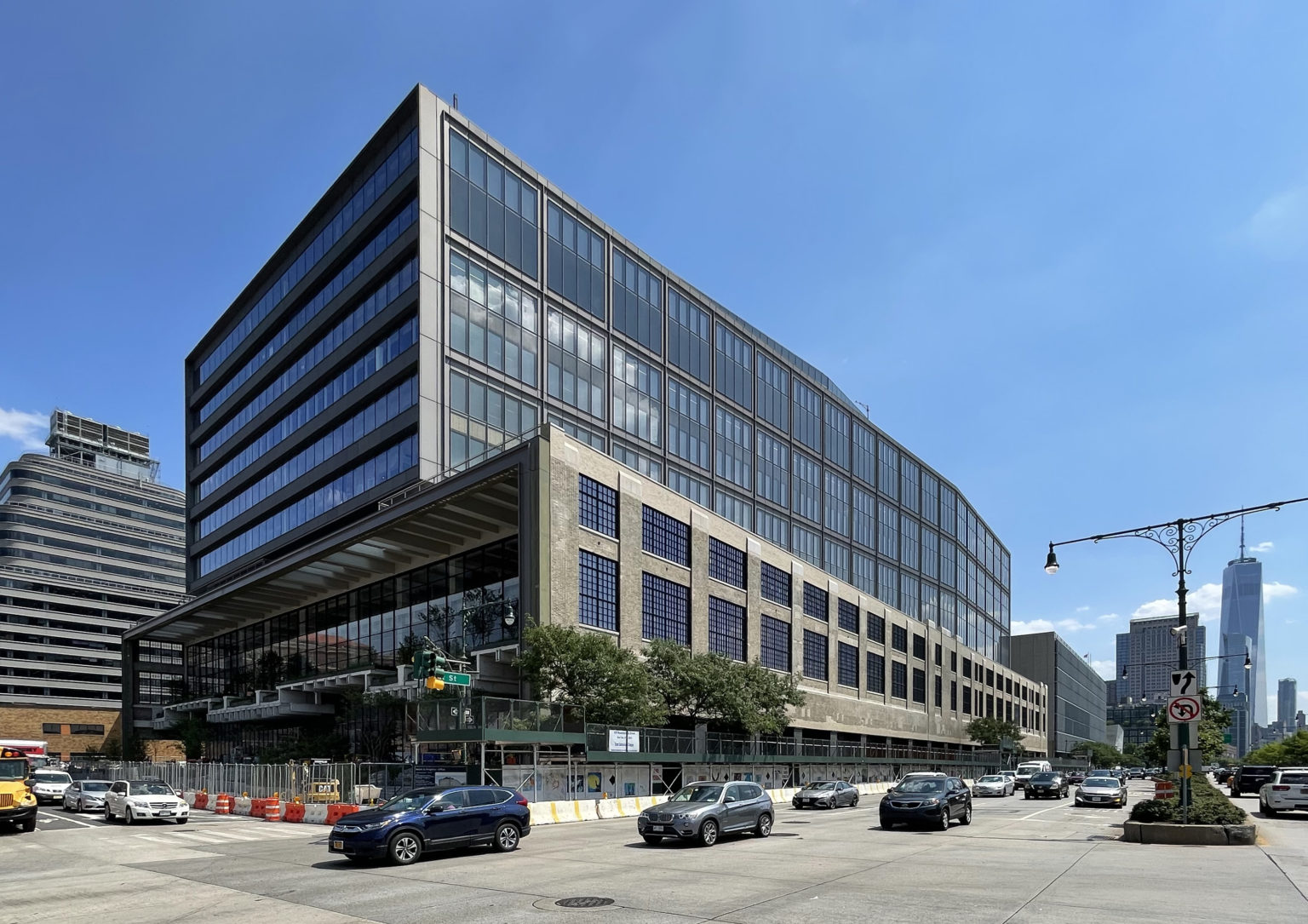
On Manhattan’s West Side, a 1930s freight terminal—built for railcars, pallets, and the hard logic of logistics—has been remade into one of the city’s most contemporary workplaces. Google’s St. John’s Terminal isn’t trying to outshine the skyline. It’s doing something more interesting: turning an industrial relic into a calm, high-performing “groundscraper,” where scale runs horizontally and the future is built on top of the past.
In an era when “futuristic” often means louder, shinier, and more expensive, St. John’s Terminal offers a quieter thesis: the next generation of architecture will be defined less by newness and more by intelligence—how well a building reuses what already exists, how it behaves through seasons, and how it makes people feel when they move through it.
A building that remembers what it was
Adaptive reuse works best when it doesn’t pretend history never happened. Here, the building’s past is not erased into a generic glass object. The project leans into the site’s original identity as a working terminal. Instead of creating a corporate island, it treats the building like a continuation of the city—an old machine upgraded for a new kind of movement: ideas instead of freight.
That’s the first lesson this project offers to anyone building in fast-growing cities like Hyderabad, Bangalore, or Pune: the future doesn’t always require new land or new concrete. Sometimes it requires the courage to keep what already exists—and design around it with intention.
The new status symbol is reuse
For decades, premium architecture signaled itself through height, spectacle, and the clean slate: flatten the old, build the new. But the global definition of “premium” is shifting. Increasingly, it is the building that doesn’t start from scratch that looks more confident.
Reusing a structure can reduce waste, shorten timelines, and preserve urban character. But beyond the environmental argument is a cultural one: reuse tells a city it is worth improving, not replacing. In India—where redevelopment is accelerating and older building stock sits in valuable corridors—this is more than a design trend. It’s a practical strategy.
The second lesson: adaptive reuse can be aspirational. It can look modern without looking forgetful.
Greenery that isn’t decoration
Many modern buildings treat greenery like a marketing garnish: a rooftop photo, a few potted plants, a “garden deck” that becomes a brochure line. St. John’s Terminal takes a more infrastructural approach. The idea is not simply to add nature, but to thread it—across terraces, edges, and outdoor pockets—so the building feels breathable.
This is what biophilic design looks like when it grows up: less about aesthetics, more about comfort. Light. Air. Shade. Small places to pause. In dense cities, those qualities are not luxury; they’re survival features.
For India’s residential and commercial future—especially in heat-stressed metros—the takeaway is direct: green design should reduce discomfort, not just increase Instagram value.
The future of work isn’t a floor plan
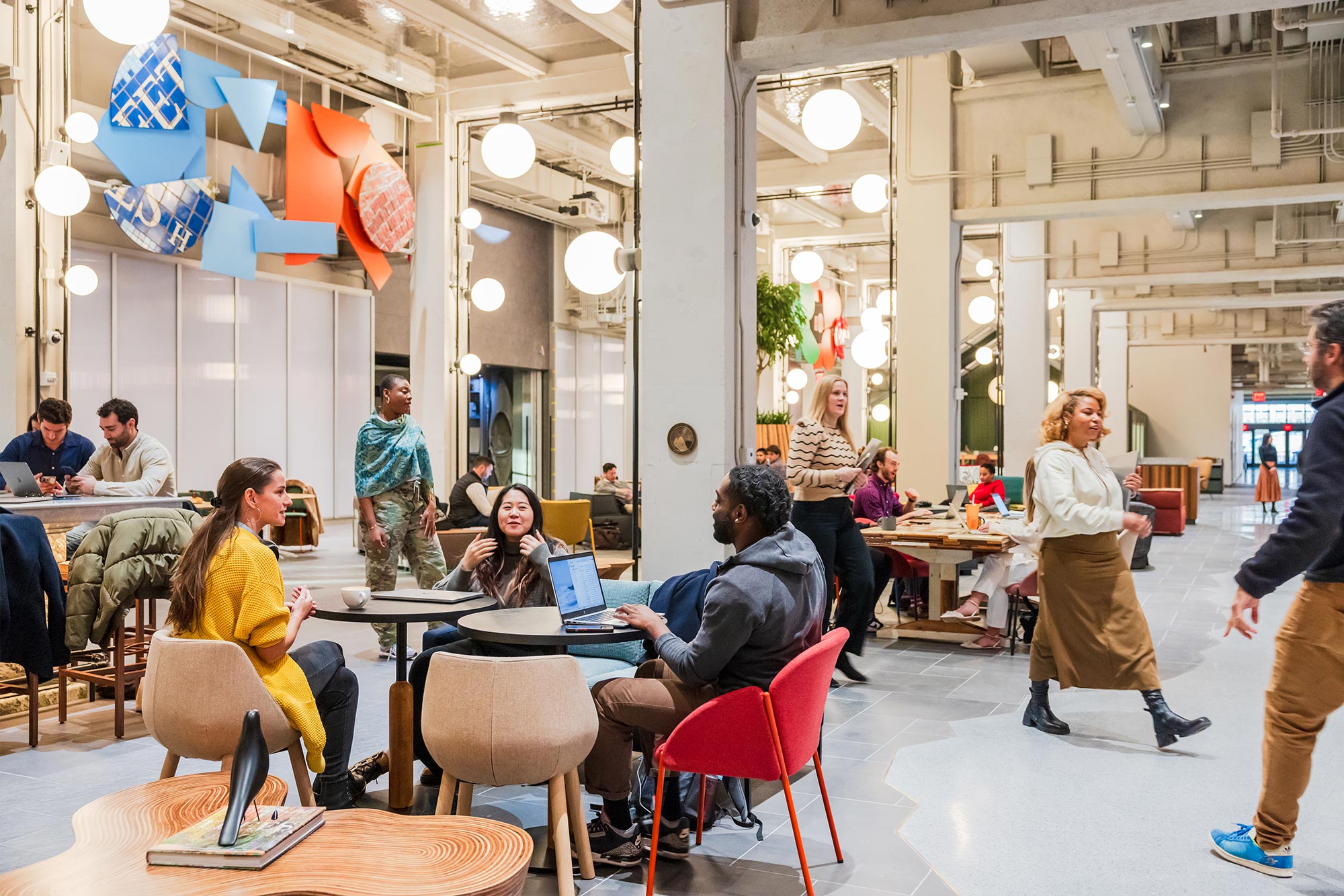
Workplace design used to be about square footage and seating counts. Now it is about behavior. How do people collaborate? Where do they focus? How do they shift modes in a day? What makes teams bump into each other in productive ways?
St. John’s Terminal is part of the newer generation of workplace thinking: neighborhoods, flexible seating, social “spines,” and circulation that encourages interaction without forcing it. That matters beyond offices. The same principle applies to residential communities: movement patterns shape community life more than amenities do. A building can have the best clubhouse in the city—and still feel lonely if it’s designed like a corridor maze.
The lesson: design is not just space planning. It’s human planning.
“Sustainable” has to become provable
Sustainability is one of the most overused words in real estate. It appears everywhere and often means nothing. The future belongs to buildings that can prove their impact—through materials, reuse, operations, water resilience, energy strategies, and long-term efficiency.
This is where adaptive reuse becomes one of the strongest moves available: you aren’t just reducing emissions later, you are avoiding a massive chunk of embodied carbon up front. The smartest buildings of the next decade will be the ones that treat sustainability not as branding, but as engineering.
In India, where buyers are becoming sharper and builders are facing rising operational costs, “performance-first” buildings will win—not just in awards, but in occupancy, resale value, and trust.
What India can borrow from this project
St. John’s Terminal is not a blueprint India should copy literally. It’s a mindset to import.
If you’re building the next wave of residential towers, commercial campuses, or mixed-use corridors, here’s what matters:
-
Redevelop old sites into premium assets instead of clearing them
-
Design for heat, ventilation, and shade as defaults—not upgrades
-
Build community space into the circulation, not just the amenities list
-
Use terraces and courtyards as climate tools, not decorative features
-
Publish performance benefits clearly (water, energy, comfort, maintenance)
-
Improve street-level experience so the building strengthens the neighborhood
This is how “futuristic” becomes real: not sci-fi visuals, but everyday improvement.
Why RealtyBlocks is spotlighting architecture now
At RealtyBlocks, we’re launching this architecture series because design excellence is becoming inseparable from real estate value. It influences what people buy, how they live, how buildings operate, and how communities form. And in the coming decade, the best projects will be those that feel modern not because they look different—but because they work better.
This is the first in our Adaptive Reuse Spotlight series. Next, we’ll explore Indian case studies, student design concepts, and future-ready strategies that builders and homebuyers can use immediately.
We’re also exploring competitions and awards with Indian architecture schools—because the future of Indian real estate will be designed not only by today’s studios, but by the next generation of architects who understand climate, density, and human experience in a deeper way.
If you’re a student, architect, builder, or developer with a project worth spotlighting, share it with us through the Learning Center.
Back to Learning Center →
https://www.realtyblocks.com/learning-center