The project, installed this month by NCSolarNow, is emblematic of a larger movement in the United States. Across the country, homeowners — many of them Indian-American families — are weighing the economics of rooftop solar against rising utility rates, uncertain policies, and the desire for resilience.
The Cost and the Incentives
The system carried an installed price of $50,916. Like many homeowners, the family financed it with a 10-year loan at 6.99 percent, requiring monthly payments of about $601.
But those numbers are quickly reshaped by policy incentives:
-
$9,000 rebate from Duke Energy under its PowerPair program.
-
$15,275 federal tax credit through the Inflation Reduction Act.
-
Up to $550 annually in bill credits by enrolling the Powerwalls in Duke’s Virtual Power Plant program with Tesla.
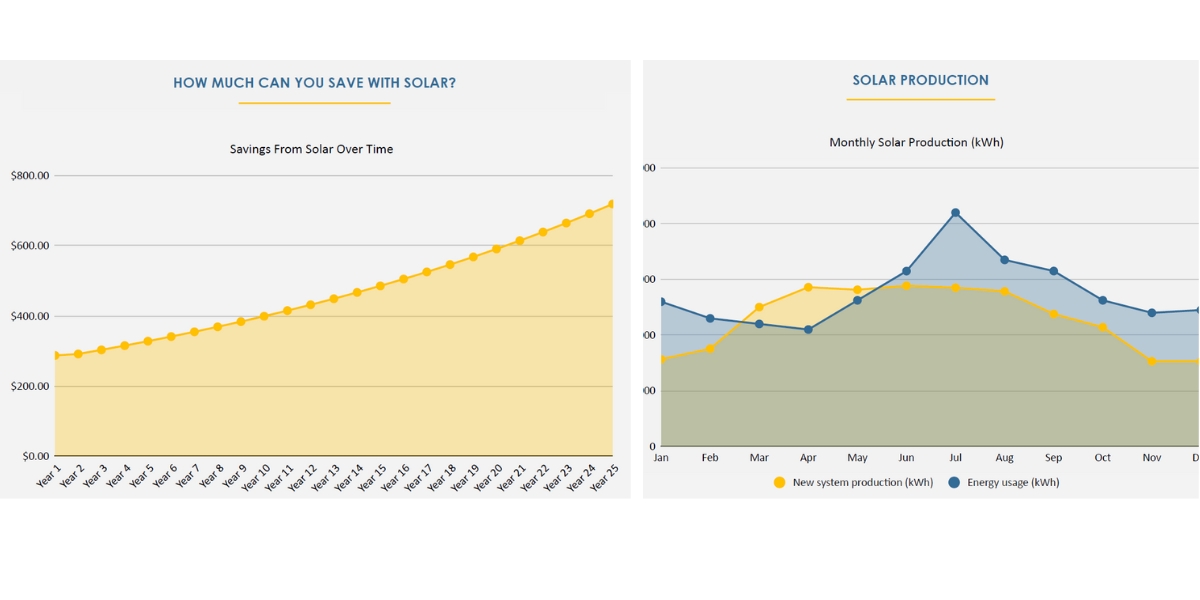 Applied strategically, these reduce the effective net cost to about $26,600, nearly halving the upfront price.
Loan or Cash: Two Different Paths
The Sai household began with financing. By applying Duke’s rebate at month three and the federal credit refund around month six, their outstanding loan balance will shrink quickly. If they continue making $601 monthly payments, they can retire the loan in about six years instead of ten.
Still, interest adds a premium. Even with early paydown, the household will spend roughly $3,000–$4,000 in loan interest over the repayment period, bringing their “real” cost closer to $30,000.
By contrast, a cash buyer avoids this overhead. Paying upfront and later collecting rebates and credits, the net outlay is the clean $26,600. With annual savings of roughly $4,000 in avoided bills and credits, payback comes in about 6½ years, followed by nearly two decades of net profit. Over 25 years, total household savings are projected to exceed $130,000.
Weather and Resilience
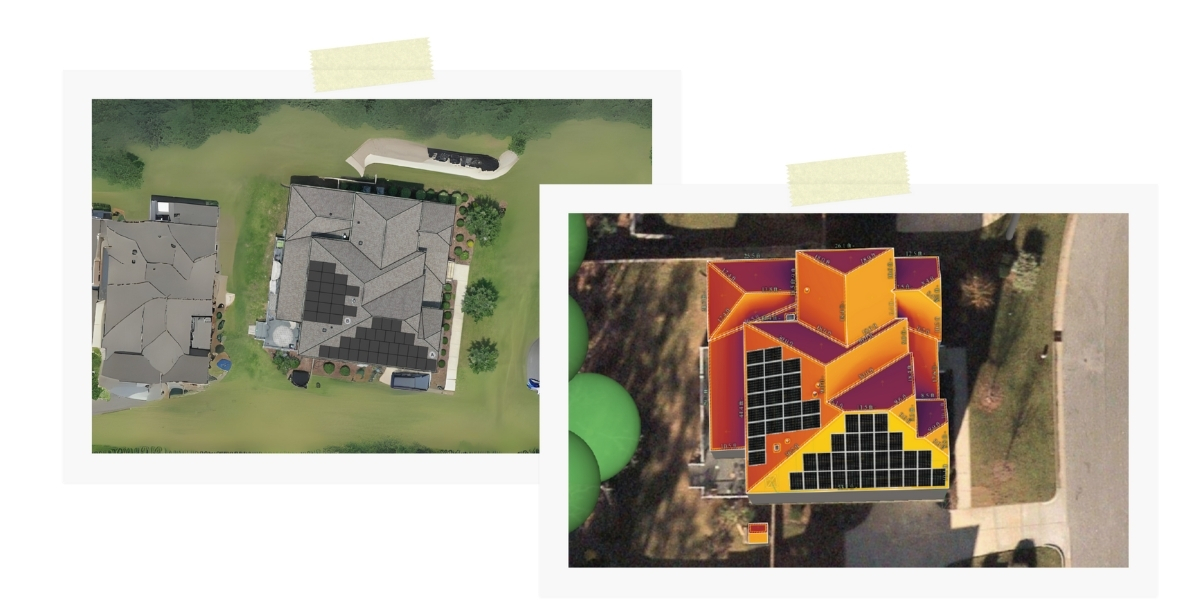
In North Carolina, the financial case is only half the story. Summers bring searing heatwaves that strain Duke Energy’s grid; winters deliver ice storms that snap power lines; and every Atlantic hurricane season threatens outages. With 218 sunny days a year in the Raleigh–Durham region, rooftop systems paired with storage deliver both stability and independence.
For many Indian-American families, this resilience matters as much as savings. A monthly utility bill of $350–$400 can be replaced not only with lower costs but also with confidence that their home won’t go dark in a storm.
The Policy Clock
But this window may be closing. Duke’s current “Bridge Rate” net metering plan, which allows solar credits to roll over month to month, will transition to less favorable terms by 2027. The federal 30 percent tax credit remains intact, but political shifts could alter or scale it back. Meanwhile, tariffs on imported panels and labor shortages are already pushing costs higher and extending installation timelines.
For Indian readers, the parallels are striking. Like in India, rooftop adoption in the U.S. is shaped by subsidies, credits, and net metering rules. The difference is one of timing: India’s market is still expanding under government incentives, while the U.S. market is racing to lock in benefits before they diminish.
A Household Story, A Larger Signal

For the Sai family, the calculation is straightforward: exchange a monthly utility bill for an asset that pays for itself in six to seven years, then generate nearly two decades of savings. Whether financed or bought outright, the rooftop becomes not just an energy system but a financial instrument.
For the broader market, the lesson is clear. 2025 may be the last, best year to capture the full benefits of going solar in the United States before tariffs rise, credits shrink, and net metering rules change.
On their brick home in Cary, the Sai family’s panels look unremarkable from the street. Yet they tell a story of policy, timing, and personal finance — a story that reaches from North Carolina to the energy markets of India, where rooftop adoption is also redefining households’ relationship with power.
✍️ Published by RealtyBlocks.com Energy Desk